Best AI Image Generators in 2025: Midjourney vs DALL-E vs Leonardo vs Flux
Which AI image tool should you actually pay for in 2025? We compare Midjourney, DALL-E 3, Leonardo AI and Flux on photorealism, prompt understanding, Indian faces, editing control and price — in plain language.
The honest answer nobody gives you
There is no single "best" AI image generator — there is a best tool for your specific goal. A fashion boutique owner, a LinkedIn job seeker and a gaming YouTuber should not use the same tool, and paying for the wrong one wastes both money and enthusiasm.
This comparison is written for people creating photos of people — portraits, avatars, product shots and lifestyle content. Here is how the four major tools actually differ in 2025.
Midjourney — the artist
Best for: cinematic, editorial and artistic imagery
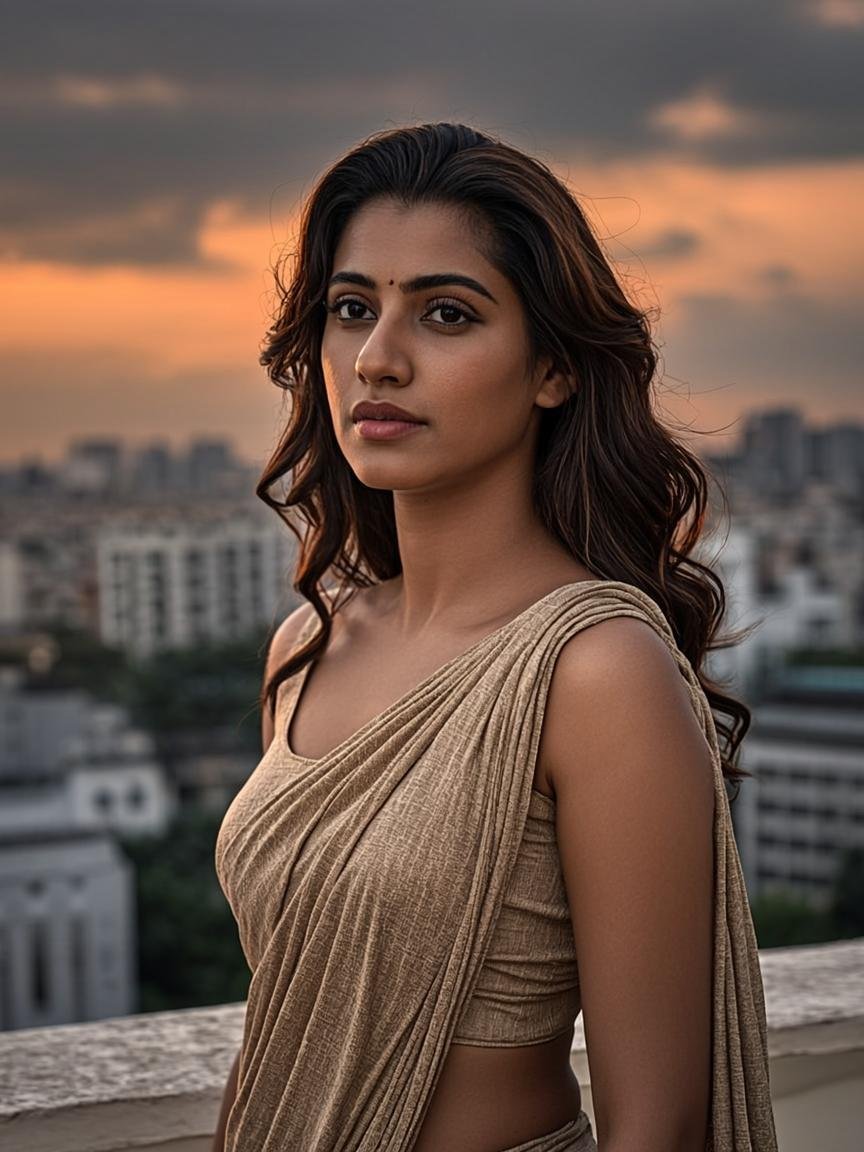
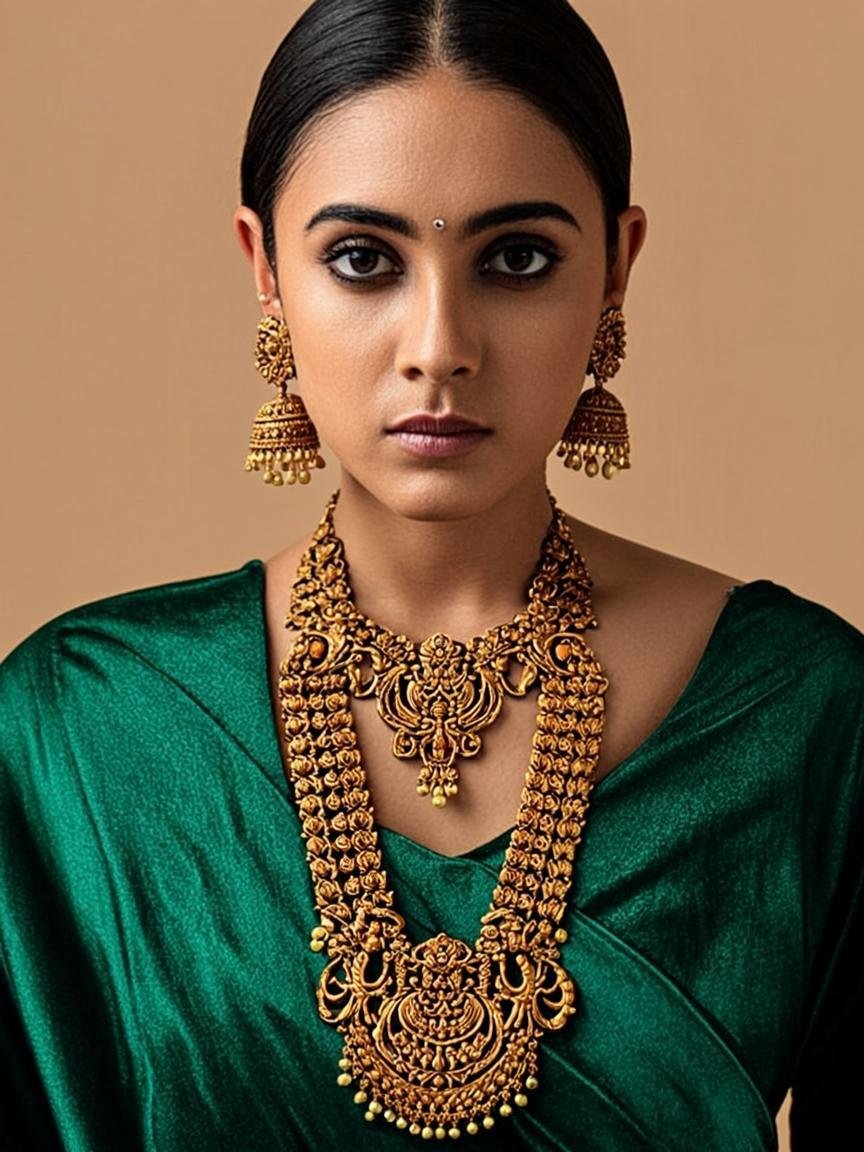
Midjourney remains the style leader. Its images have a signature richness — dramatic light, beautiful colour, painterly composition — that other tools still chase. If you want images that look like they belong on a magazine cover, like our luxury editorial fashion portrait, Midjourney delivers most consistently.
Strengths:
- Unmatched colour and lighting aesthetics
- Strong parameter control (--ar for aspect ratio, --style raw for photorealism, --cref for character consistency)
- Excellent at stylised looks like our vintage Bollywood portrait
Weaknesses: subscription-only pricing, no free tier, and the Discord-first workflow still bothers some users.
DALL-E 3 — the literal one
Best for: exact prompt following and text inside images
DALL-E 3 (inside ChatGPT) is the best listener of the four. When you describe a scene with five specific elements, DALL-E 3 tries to include all five — other tools quietly drop details. It is also the strongest at rendering readable text inside images, which matters for logos, posters and product labels.
Strengths:
- Best-in-class prompt comprehension
- Conversational editing — ask for changes in plain English
- Handles text in images better than any competitor
Weaknesses: photorealism is good but not Midjourney-level, and fine control over camera language (lens, lighting angles) is limited. Our minimalist product photography prompt is a good example of where DALL-E 3 shines: simple scenes, clean light, exact composition.
Leonardo AI — the everyday workhorse
Best for: generous free usage and balanced results
Leonardo AI is the most practical choice for creators who generate a lot. The free tier is genuinely usable daily, paid tiers are affordable, and results sit comfortably between Midjourney's artistry and DALL-E's literalism.
Strengths:
- Real free tier with daily credits
- Fine-tuned models for specific styles (portraits, anime, product shots)
- Clean web interface — friendliest for beginners
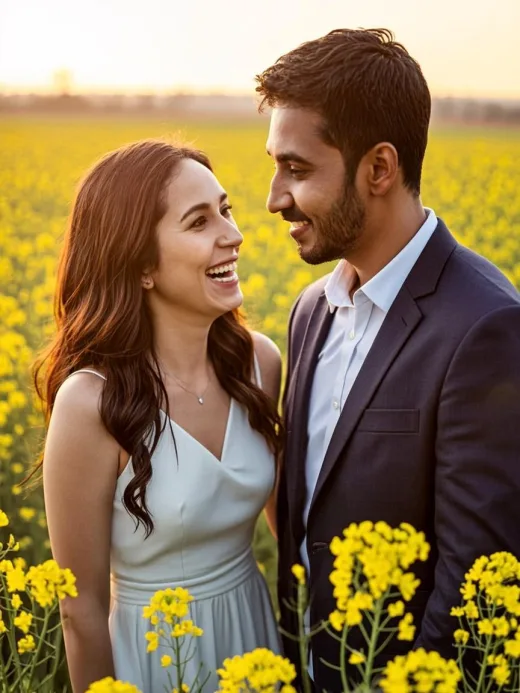
Weaknesses: faces occasionally look slightly smoothed, and the signature style is less distinctive. Photorealistic scenes like our Diwali celebration photo come out well, but cinematic drama is a notch below Midjourney.
Flux — the realist
Best for: photorealistic skin, lighting and everyday scenes
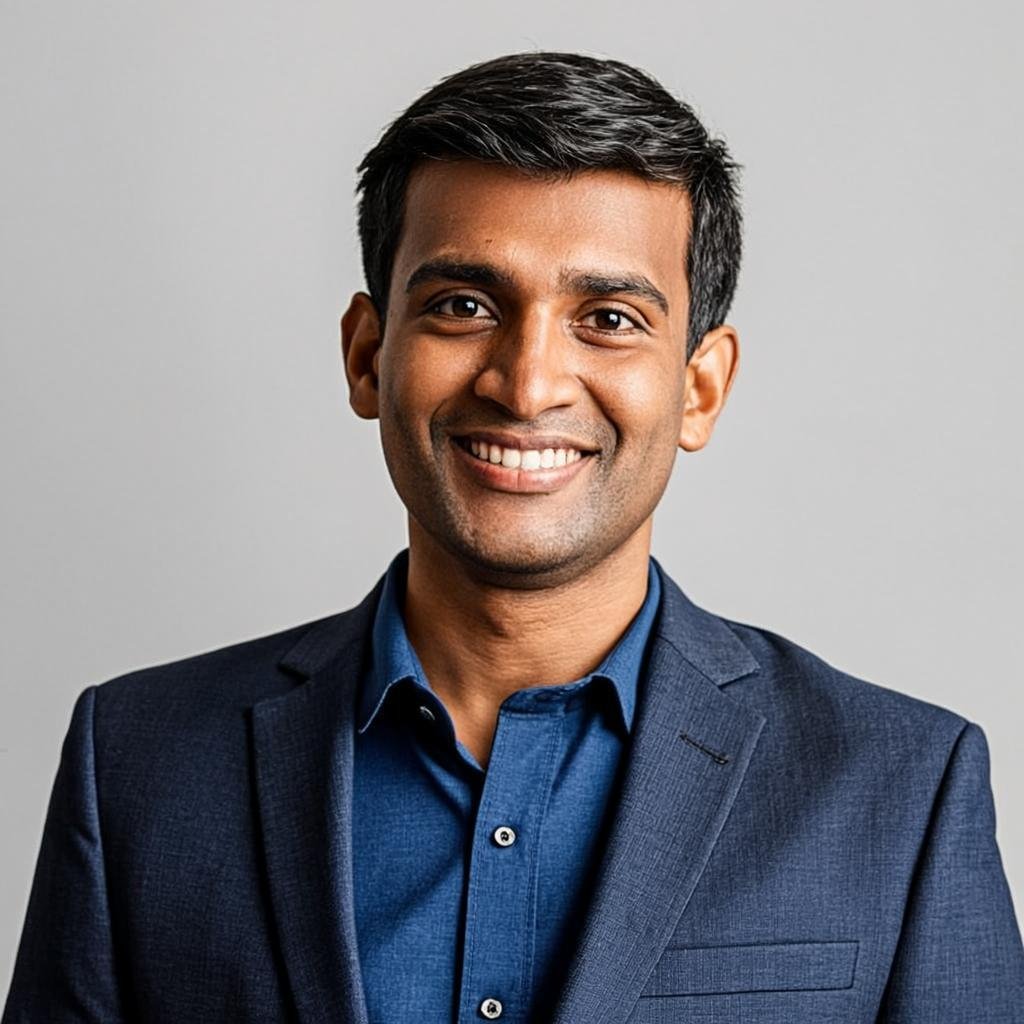
Flux took the crown for photorealism in 2024 and holds it. Skin texture, natural light behaviour and casual "shot on a phone" realism are its signature. When an image needs to pass as a real photograph — think professional headshots or candid lifestyle shots — Flux is the safest choice.
Strengths:
- Best photorealistic skin and light
- Open-weight versions available for local running (no subscription, your hardware)
- Strong at Indian faces and skin tones in recent versions
Weaknesses: the official hosted version is pricier per image, and artistic/stylised looks need more prompt effort than Midjourney.
The 30-second decision guide
- "I want magazine-cover drama" → Midjourney
- "I need to describe exactly what I want" → DALL-E 3
- "I generate every day on a budget" → Leonardo AI
- "It must look like a real photo" → Flux
What about Indian faces specifically?
All four tools handle Indian subjects well in 2025 — this was a genuine weakness in 2022-23 models. Flux and Midjourney currently lead for natural skin tone and culturally accurate styling (sarees, kurtas, temple jewellery render correctly), while Leonardo needs slightly more descriptive prompts for the same fidelity.
For face-accurate results — your own face, or a consistent character — none of the web tools beat reference-image features: Midjourney's --cref, or training a LoRA on Flux. Describe the person consistently (same words every time) and you will be surprised how stable results become.
Price snapshot (check official sites — prices change)
- Midjourney: subscription, roughly USD 10/month for the basic plan
- DALL-E 3: included with ChatGPT Plus, or pay-per-image via API
- Leonardo AI: free tier daily credits; paid from roughly USD 10/month
- Flux: varies by host; free open-weight versions if you run locally
The real advice
Pick the tool that matches your most frequent image type, buy one month, and learn it properly. Ten hours inside one tool beats one hour in each of ten tools. And whichever you choose — every prompt in our gallery works across all of them with tiny tweaks (mostly just removing the --ar parameter and setting the ratio in-app).